
This website stores cookies on your computer. These cookies are used to improve your website experience and provide more personalized services to you, both on this website and through other media.
Accept
EdTechReviewEdTechReview
  • News
  • Trends
  • Insight
  • eLearning
  • Research
  • Dictionary
  • EdTech Voices
  • More
    • Data & Statistics
    • Reviews
    • AWS for Education
    • Events

    Resources

    • Infographics
    • Reports & Case Studies
    • Videos
    • Books
    • Webinar

    Needs

    • 1:1 Learning
    • 21st Century Education
    • 21st Century Leadership
    • 21st Century Learning
    • 21st Century Teaching
    • 3D Printing
    • More Tags

    For

    • Students
    • Teachers/Educators
    • Administrators
    • Entrepreneurs/Startups
    • Govt. Officials/Policymakers
    • Parents
Explore
Search
Contribute
  • Submit A Post
  • EdTech Trainers and Consultants
  • Your Campus EdTech
  • Your EdTech Product
  • Your Feedback
  • Your Love for Us
  • EdTech Product Reviews
ETR Resources
  • About
  • Mission/Vision
  • Team
  • Services
  • Testimonials
  • Authors
  • Sponsor
  • Partner
  • Advertise
  • Our Clients
  • Media Kit
  • Press Release
  • FAQ’S
Reading: 3 Rules to Spark Learning
Aa
EdTechReviewEdTechReview
Aa
Search
  • News
  • Trends
  • Insight
  • eLearning
  • Reviews
  • Dictionary
  • EdTech Voices
  • Data & Statistics
  • Research
  • AWS for Education
  • Events
  • EdTech Voices
  • Tags
  • About
  • FAQ’S
  • Our Clients
  • Partner
Follow US
Home > Trend & Insight > Insight > 3 Rules to Spark Learning
Insight

3 Rules to Spark Learning

Editorial Team Published Jan 14, 2014
Share
1 Min Read
3 Rules to Spark Learning
SHARE

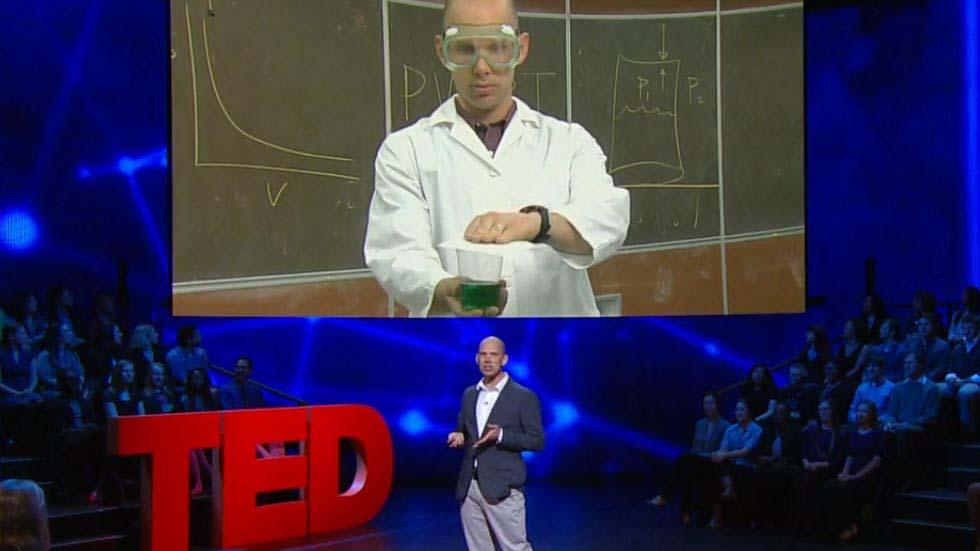
It took a life-threatening condition to jolt chemistry teacher Ramsey Musallam out of ten years of “pseudo-teaching” to understand the true role of the educator: to cultivate curiosity.

AdvertisementWhy this Ad?

In a fun and personal talk, Musallam gives 3 rules to spark imagination and learning, and get students excited about how the world works.

Rule 1: Curiosity comes first

Rule 2: Embrace the mess

Rule 3: Practice reflection

Speaker:

Ramsey Musallam, as a high school chemistry teacher, expands curiosity in the classroom through multimedia and new technology. His mission is “to meaningfully integrate multimedia into a hands-on, inquiry-based learning cycle” and to empower other educators to do the same. Musallam is a vocal advocate for tools like flipteaching, tabcasting, video podcasting and screencasting in the classroom.


TAGGED: 21st Century Education, 21st Century Teaching, Flipped Classroom, Inquiry Based Learning, Podcasts, Teachers/Educators, Tips for Teachers/Educators, Videos
Share This Article
Facebook Twitter Whatsapp Whatsapp LinkedIn Reddit Telegram Email Copy Link
By Editorial Team
Follow:
EdTechReview (ETR) is a premier media platform and community for educational stakeholders to connect and find useful news, information and resources on educational technology having a niche subscriber base of 120K+ and an annual readership of 3M+ from over 220 countries and territories across the globe.
Previous Article Effective Use of Technology in Education - A New Discipline to Be Taught “Effective Use of Technology in Education” – A New Discipline to Be Taught
Next Article allovues jess gartner on K-12 finances Allovue’s Jess Gartner on K-12 Finances
AdvertisementWhy this Ad?

Latest EdTech News To Your Inbox

Stay Connected

AdvertisementWhy this Ad?

Latest EdTech News To Your Inbox

Stay Connected

AdvertisementWhy this Ad?

You Might Also Like

Why AI Role Play Should Teach Students to Question Not Just Answer
Practices

Why AI Role Play Should Teach Students to Question, Not Just Answer

Oct 16, 2026
Yasmin Sarwar on the Teenage Body Clock and Why Sleep Belongs on the Revision Timetable
Insight

Yasmin Sarwar on the Teenage Body Clock and Why Sleep Belongs on the Revision Timetable

Oct 15, 2026
How to Find the Greatest Common Factor GCF Steps and Examples
eLearning

How to Find the Greatest Common Factor (GCF): Steps and Examples

Sponsored by
Top 7 AI for Educators Courses in India 2026-27 Edition
News

Top 7 AI for Educators Courses in India: (2026-27 Edition) Fees, Duration, Mode & Certification Details

Sep 28, 2026
How to Enhance Student Project Videos Shot on Phones
Trends

How to Enhance Student Project Videos Shot on Phones

Sep 28, 2026
What Is AI Video Analysis How AI Helps Understand Video Content
Trends

What Is AI Video Analysis? How AI Helps Understand Video Content

Sep 25, 2026
A Student Doesnt Need Another Score They Need to Know What to Do Next
Insight

A Student Doesn’t Need Another Score. They Need to Know What to Do Next.

Sep 25, 2026
Decision-stage content gaps across 2000 education company websites
Insight

What I Learned Scoring 2,000 EdTech Websites on Whether They Can Actually Close

Sep 22, 2026
Show More
EdTechReviewEdTechReview

H433, 2nd Floor, Vikaspuri, New Delhi, India, 110018
Phone: 011 41321030

Follow US

Copyright © EdTechReview. All Rights Reserved.

  • Home
  • Advertise
  • Event Associations
  • Press Release
  • About
  • Services
  • Contribute
  • News
  • Trend & Insight
  • Data & Statistics
  • eLearning
  • Reviews
  • Research
  • EdTech Voices
  • Dictionary
  • Tags
  • Resources
  • Events
  • Courses
  • EdTech Product for Review
  • Sponsored/Paid Post Service
  • Our Clients
  • FAQ’S
  • Contact Us
  • Important Links
  • Sitemap
  • Terms of Use
  • Privacy Policy
newsletter
Join 100K+ subscribers!

Subscribe to our weekly newsletter that brings the latest EdTech news, trends, insights, reports, interviews, etc. for educators, school leaders, entrepreneurs, investors, & others.

loader
Zero spam, Unsubscribe at any time.
Go to mobile version
Welcome Back!

Sign in to your account

Lost your password?