
This website stores cookies on your computer. These cookies are used to improve your website experience and provide more personalized services to you, both on this website and through other media.
Accept
EdTechReviewEdTechReview
  • News
  • Trends
  • Insight
  • eLearning
  • Research
  • Dictionary
  • EdTech Voices
  • More
    • Data & Statistics
    • Reviews
    • AWS for Education
    • Events

    Resources

    • Infographics
    • Reports & Case Studies
    • Videos
    • Books
    • Webinar

    Needs

    • 1:1 Learning
    • 21st Century Education
    • 21st Century Leadership
    • 21st Century Learning
    • 21st Century Teaching
    • 3D Printing
    • More Tags

    For

    • Students
    • Teachers/Educators
    • Administrators
    • Entrepreneurs/Startups
    • Govt. Officials/Policymakers
    • Parents
Explore
Search
Contribute
  • Submit A Post
  • EdTech Trainers and Consultants
  • Your Campus EdTech
  • Your EdTech Product
  • Your Feedback
  • Your Love for Us
  • EdTech Product Reviews
ETR Resources
  • About
  • Mission/Vision
  • Team
  • Services
  • Testimonials
  • Authors
  • Sponsor
  • Partner
  • Advertise
  • Our Clients
  • Media Kit
  • Press Release
  • FAQ’S
Reading: Digital Citizenship Vs Digital Leadership
Aa
EdTechReviewEdTechReview
Aa
Search
  • News
  • Trends
  • Insight
  • eLearning
  • Reviews
  • Dictionary
  • EdTech Voices
  • Data & Statistics
  • Research
  • AWS for Education
  • Events
  • EdTech Voices
  • Tags
  • About
  • FAQ’S
  • Our Clients
  • Partner
Follow US
Home > Trend & Insight > Insight > Digital Citizenship Vs Digital Leadership
Insight

Digital Citizenship Vs Digital Leadership

Kira Carr
Kira Carr Published Aug 12, 2017
Share
6 Min Read
Best Practices for Digital Citizenship
SHARE

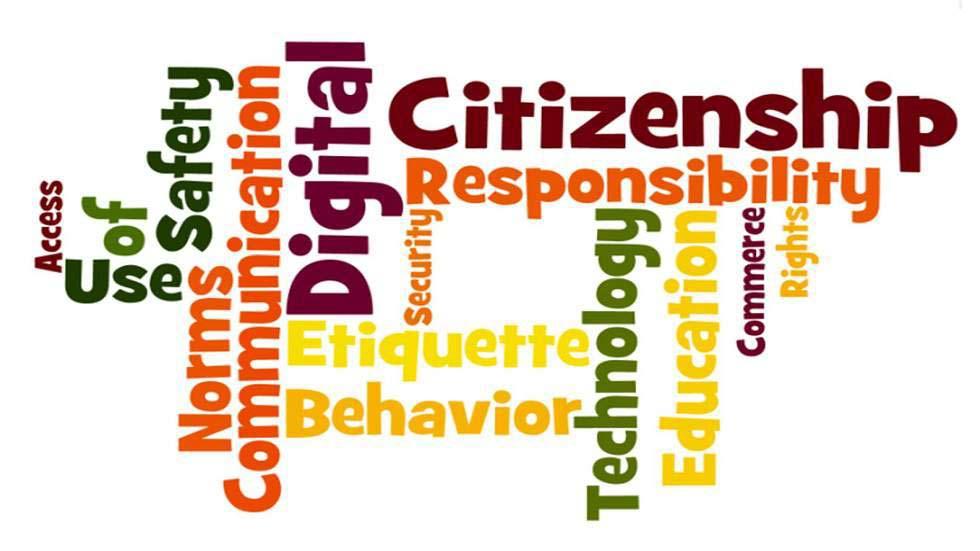
Digital Citizenship has been used on many occasions to describe the impact of technology on behavior and interactions.

AdvertisementWhy this Ad?

This idea has had two separate identities, one in the online world and the offline world. But the digital culture has evolved and students can have a homework planner to complete their work. Great ideas like digital dualism is a good way to describe how the digital world changes everything on how we view the world. For this reason, educators are forced to teach and model digital citizenship in schools. So, should we teach digital citizenship in general? Or should we push and challenge our students to shift from digital citizenship to digital leadership?

What the difference?

To help you understand the difference, we look at both concepts. Digital citizenship involves the use of the internet and social media in a more responsible way. Digital leadership, on the other hand, is the use of internet and social media with the aim to improve the lives and well-being of others.

Couros defines digital leadership as using the available technology, especially social media to improve lives and well-being of others. Jennifer Casa also expounds on digital leadership as a way to encourage students to embrace technology and social media to make a difference in the current world.

It is characterized by addressing societal inequality, learning and sharing, empowering those who have no voice, and influencing the lives of others positively.

The shift from digital citizenship and leadership

Digital citizenship is a common phrase that has been used to represent the impact of technology on behavior and interactions. In short, it concentrates on things that we depend on in digital spaces.

Ideally, this is not a simple concept that many students can understand quickly, as it involves different aspects related to scale, credibility, and permanence. This is too much to handle. Citizenship is often misunderstood and often associated with political notions. Consider the manner in which most people consider how the work they do, the food they eat, and the things they buy affects the global citizenship.

This is the bigger picture that most are likely to miss.

Both digital citizenship and leadership are associated with broad areas of learning. These two must be embedded into our daily tasks, inquiries, conversations, and teachings. The transformation from digital citizenship to digital leadership gives a chance for collaboration, critical thinking, adaptability, imagination, initiative, curiosity, synthesis, and communication. According to Saskatchewan curriculum, these skills are important and they help to achieve the goal of multiple literacies that allow students to acquire the following;

  •       Gain knowledge
  •       Explore and interpret different scenarios
  •       Express understandings
  •       Communicate any new meanings.

Similarly, teachers need to shift their views and think critically about incorporating digital citizenship and digital leadership into their daily teachings. For instance, those who take the role of Teacher Librarian should concentrate more on portraying a leadership role in the school. The role of the Teacher Librarian is changing gradually. They are no longer the keepers of information, but they are specialists and educational leaders. They collaborate with the rest of the teachers to incorporate innovative technologies to help improve the student learning, teach them how to use technology to look for information for college homework and also engage students in a review based learning to help them develop multiple literacies.

This will allows the teachers to be leaders in helping students model and teach the elements of digital citizenship and essential skills of learning.

We live in a world where we depend on a lot on the internet, so we need to model digital citizenship and leadership in our line of duty and online identity. It is important to portray an example of a leader who wants to be remembered for something good. So, we need to model and encourage our students, administrators, parents, and the entire society to be concerned about the mistakes made online.

Parents also need guidance on these concepts so that they can understand that although their children are exposed to technology, they are not direct digital citizens. This means that they need to be educated on how to behave positively both online and offline. In short, they need constant reminders on what they are supposed to do in matters concerning digital citizenship and leadership.

So, as the debate about digital citizenship and digital leadership continues, it is clear that the world is evolving. There is a lot of technological advancement that impacts both concepts, but teachers should strive to make a difference and motivate the students to become digital leaders as well.


TAGGED: 21st Century Education, 21st Century Leadership, Digital Citizenship, Digital Leadership
Share This Article
Facebook Twitter Whatsapp Whatsapp LinkedIn Reddit Telegram Email Copy Link
Previous Article benefits of technology in education Importance of Pre and Primary Learning for Younger Learners
Next Article What is Internet Of Things IOT The Potential of The IoT in Education
AdvertisementWhy this Ad?

Latest EdTech News To Your Inbox

Stay Connected

AdvertisementWhy this Ad?

Latest EdTech News To Your Inbox

Stay Connected

AdvertisementWhy this Ad?

You Might Also Like

How to Build Educational Apps That Drive Real Teacher and Student Adoption in 2026
Insight

How to Build Educational Apps That Drive Real Teacher and Student Adoption in 2026

Sep 1, 2026
Why AI Lesson Planning Tools Are Only Solving Half the Problem
Insight

Why AI Lesson Planning Tools Are Only Solving Half the Problem

Aug 31, 2026
The Future Belongs to Children Who Can Change Their Minds
Insight

The Future Belongs to Children Who Can Change Their Minds

Aug 26, 2026
Were Teaching Children for Jobs That Wont Exist Heres What We Should Teach Instead
Insight

We’re Teaching Children for Jobs That Won’t Exist, Here’s What We Should Teach Instead

Aug 15, 2026
Beyond the Examination Crisis Structural Reforms Must Take Precedence in Indias Education Ecosystem
Insight

Beyond the Examination Crisis: Structural Reforms Must Take Precedence in India’s Education Ecosystem

Aug 9, 2026
Education Crisis 2026 Protests Signal a Looming Economic Disaster for Indias Youth
Insight

Education Crisis 2026: Protests Signal a Looming Economic Disaster for India’s Youth

Aug 8, 2026
The Hidden Cost of Always Giving Learners the Answer
Insight

The Hidden Cost of Always Giving Learners the Answer

Aug 7, 2026
Bringing Interactive Smart Boards to Small-Town and Rural Classrooms in India
Insight

Bringing Interactive Smart Boards to Small-Town and Rural Classrooms in India: A Practical Guide for Better Digital Learning

Aug 6, 2026
Show More
EdTechReviewEdTechReview

H433, 2nd Floor, Vikaspuri, New Delhi, India, 110018
Phone: 011 41321030

Follow US

Copyright © EdTechReview. All Rights Reserved.

  • Home
  • Advertise
  • Event Associations
  • Press Release
  • About
  • Services
  • Contribute
  • News
  • Trend & Insight
  • Data & Statistics
  • eLearning
  • Reviews
  • Research
  • EdTech Voices
  • Dictionary
  • Tags
  • Resources
  • Events
  • Courses
  • EdTech Product for Review
  • Sponsored/Paid Post Service
  • Our Clients
  • FAQ’S
  • Contact Us
  • Important Links
  • Sitemap
  • Terms of Use
  • Privacy Policy
newsletter
Join 100K+ subscribers!

Subscribe to our weekly newsletter that brings the latest EdTech news, trends, insights, reports, interviews, etc. for educators, school leaders, entrepreneurs, investors, & others.

loader
Zero spam, Unsubscribe at any time.
Go to mobile version
Welcome Back!

Sign in to your account

Lost your password?