
This website stores cookies on your computer. These cookies are used to improve your website experience and provide more personalized services to you, both on this website and through other media.
Accept
EdTechReviewEdTechReview
  • News
  • Trends
  • Insight
  • eLearning
  • Research
  • Dictionary
  • EdTech Voices
  • More
    • Data & Statistics
    • Reviews
    • AWS for Education
    • Events

    Resources

    • Infographics
    • Reports & Case Studies
    • Videos
    • Books
    • Webinar

    Needs

    • 1:1 Learning
    • 21st Century Education
    • 21st Century Leadership
    • 21st Century Learning
    • 21st Century Teaching
    • 3D Printing
    • More Tags

    For

    • Students
    • Teachers/Educators
    • Administrators
    • Entrepreneurs/Startups
    • Govt. Officials/Policymakers
    • Parents
Explore
Search
Contribute
  • Submit A Post
  • EdTech Trainers and Consultants
  • Your Campus EdTech
  • Your EdTech Product
  • Your Feedback
  • Your Love for Us
  • EdTech Product Reviews
ETR Resources
  • About
  • Mission/Vision
  • Team
  • Services
  • Testimonials
  • Authors
  • Sponsor
  • Partner
  • Advertise
  • Our Clients
  • Media Kit
  • Press Release
  • FAQ’S
Reading: Steps for Better Collaboration with Your Peers on Projects
Aa
EdTechReviewEdTechReview
Aa
Search
  • News
  • Trends
  • Insight
  • eLearning
  • Reviews
  • Dictionary
  • EdTech Voices
  • Data & Statistics
  • Research
  • AWS for Education
  • Events
  • EdTech Voices
  • Tags
  • About
  • FAQ’S
  • Our Clients
  • Partner
Follow US
Home > Trend & Insight > Insight > Steps for Better Collaboration with Your Peers on Projects
Insight

Steps for Better Collaboration with Your Peers on Projects

Santosh Bhaskar K
Santosh Bhaskar K Published Apr 13, 2014
Share
6 Min Read
Steps for Better Collaboration with Your Peers on Projects
SHARE

“When you think about Project-Based learning, you think about learning that results in demonstrations of performers and real tasks that have bought challenges to students to solve”, said Linda Darling-Hammond, Professor, Stanford University School of Education.

AdvertisementWhy this Ad?

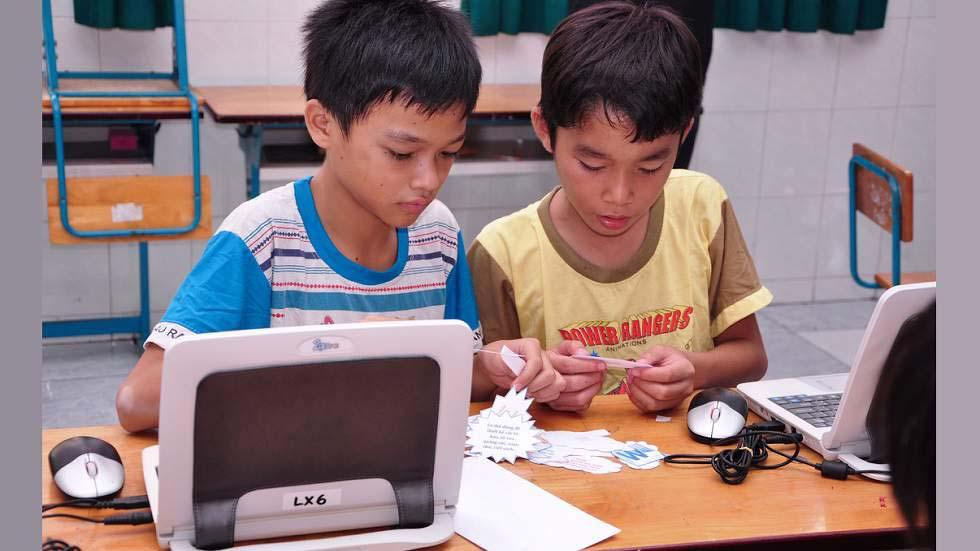
Project based learning results in greater enhancement of student learning. As we know collaboration is a heart to PBL, it’s the first component which needs utmost attention. Collaboration is the act of joining together to complete a task effectively. Tasks can be accomplished effectively and easily when a group of people work together instead individuals doing it alone. But people don’t always communicate well, so, effective collaboration needs some practices. If you’re an administrator who wishes your staff to work collaboratively in improving organization, an educator who wishes to have your students doing projects effectively with good collaboration among peers or a student who is a tactile learner seeks some tips for a better collaboration with his teammates; you’re at a right place. I’d like to focus on the steps an individual need to make for a better collaboration with his peers on project.

Have a clear goal and make sure everyone in your team is aware of it:

To do a task together, the team should be aware of the entire output they need to bring. If you’re a leader, make sure your team members are aware of the goal or if you’re a member, have a clear idea about your goal. The collaboration will be effective only when everyone knows the theme.

Know your role in the team:

A project needs a group of learners or people working together to learn something or to complete a task. The group will have few sub groups or individuals work for a particular sub task. Every team member has a particular task to do. Choose the task or subject area in which you have good expertise, communicate with the people of similar interest and know your role completely. This helps the entire team do the whole task efficiently and collaboratively.

Pen all the tasks on a paper, discuss among the group, divide your roles and start working.

Be loyal:

You need to be an efficient, disciplined, responsible member of the team so that you’ll be treated as trust worthy and loyal. These qualities help your team works together in a great collaborative environment.

 Motivate:

Motivation drives the team members to focus more on a project. This is an essential part of collaboration.

Use technology:

Members of the project may need to work apart for a specific task to be done at different locations. Your team doesn’t always need to have regular meetings. Technology nowadays makes conversations instant. Use Google Hangouts, Skype or WizIQ for video conferencing and social networking sites or blogs for discussions. The use of technology saves your time and makes the conversations instant and real time.

Eliminate the unnecessary communications:

It’s similar to the above strategy. Sometimes individual members need to make decisions quickly. It’s not necessary to wait for all the members’ approval and opinion on tasks that need simple decisions. Frequent meetings to discuss on simple problems may cost your time.

Be a good collaborator (follow this checklist):

Do not hesitate to appreciate your peer:

Talk about your peer’s success and appreciate him if he does something good in his work. This encourages him to be more efficient and also leads to a better collaboration between both. If they have something wrong, it’s better to give feedback privately.

Listen and understand your team mate’s point of view before suggesting a change:

Do not rush. If you find something wrong, wait for your team member to explain his entire approach and then think for the change. Do not disagree without knowing his actual intention to do a particular task. This helps you become a good collaborator.

Improve your relation:

Offer help to your peer with information or resources.

Respond quickly:

Don’t delay replies to your peers’ emails or messages.

Make disagreements offline:

If you seriously don’t agree to an approach of your peer, it’ll be better to convey it personally instead in a group.

Others:

Avoid gossiping about your peers.

Do not point out any peer’s mistake publicly.

Don’t blame other departments. Feel responsible for the entire goal instead of a particular task of yours.

I hope this information helped you know a list few steps and tips for a better collaboration among peers. I welcome you to share your views on collaboration among peers. Please feel free to share your practices of effective collaboration in the comment box.
Image Courtesy

TAGGED: 21st Century Teaching, Administrators, Insights, Project Based Learning, Teachers/Educators, Tips for Administrators, Tips for Teachers/Educators
Share This Article
Facebook Twitter Whatsapp Whatsapp LinkedIn Reddit Telegram Email Copy Link
Previous Article How Personality Differences Affect Learning [Infographic] How Personality Differences Affect Learning
Next Article How Can Principals Encourage and Support Teachers How Can Principals Encourage and Support Teachers?
AdvertisementWhy this Ad?

Latest EdTech News To Your Inbox

Stay Connected

AdvertisementWhy this Ad?

Latest EdTech News To Your Inbox

Stay Connected

AdvertisementWhy this Ad?

You Might Also Like

Dr Varun Vohra 1 career counsellor in india Guiding School Students
Insight

The Role of a Career Counsellor: Why Career Guidance and Career Counselling Matter More Than Ever in Indian Schools

Jun 2, 2026
Why Nonprofits and Schools Struggle with Fundraising Campaigns and How to Fix It
Insight

Why Nonprofits and Schools Struggle with Fundraising Campaigns and How to Fix It

May 8, 2026
Creative Ways to Use Calendars for Better Daily Productivity and Focus
Insight

Creative Ways to Use Calendars for Better Daily Productivity and Focus

May 7, 2026
Indias Childrens Activities Economy awaits Its Platform Moment
Insight

India’s Children’s Activities Economy Awaits Its Platform Moment

Apr 18, 2026
10 Best Online Education Masters Programs to Advance Your Teaching Career
eLearning

10 Best Online Education Master’s Programs to Advance Your Teaching Career

Apr 16, 2026
How Language Labs Improve Communication Skills and Boost Student Placement Success
Insight

How Language Labs Improve Communication Skills and Boost Student Placement Success

Apr 16, 2026
Education Has Nowhere to Hide in the Agentic Era
Insight

Education Has Nowhere to Hide in the Agentic Era

Apr 15, 2026
Sustainable AI and Making Tech Work For Students
Insight

Sustainable AI and Making Tech Work For Students

Apr 11, 2026
Show More
EdTechReviewEdTechReview

H433, 2nd Floor, Vikaspuri, New Delhi, India, 110018
Phone: 011 41321030

Follow US

Copyright © EdTechReview. All Rights Reserved.

  • Home
  • Advertise
  • Event Associations
  • Press Release
  • About
  • Services
  • Contribute
  • News
  • Trend & Insight
  • Data & Statistics
  • eLearning
  • Reviews
  • Research
  • EdTech Voices
  • Dictionary
  • Tags
  • Resources
  • Events
  • Courses
  • EdTech Product for Review
  • Sponsored/Paid Post Service
  • Our Clients
  • FAQ’S
  • Contact Us
  • Important Links
  • Sitemap
  • Terms of Use
  • Privacy Policy
newsletter
Join 100K+ subscribers!

Subscribe to our weekly newsletter that brings the latest EdTech news, trends, insights, reports, interviews, etc. for educators, school leaders, entrepreneurs, investors, & others.

loader
Zero spam, Unsubscribe at any time.
Go to mobile version
Welcome Back!

Sign in to your account

Lost your password?