


“We want to know what industries are using, what they need, and to try and adjust our curriculums accordingly where possible.” – Ryan Ball
How do you contextualize STEAM education and upskill students and teachers with timely knowledge, competencies and skills that are required for the modern workplace? Youth Made Initiative is a collaboration between educators and industry that brings together the design and technology departments in schools with local design and manufacturing industries.
The founder of the program is Ryan Ball. While working in Malaysia, Ryan discovered a lack of understanding about design and tech among students and their parents. Many of his students wanted to study both subjects but the opportunities in the school curriculum didn’t exist, although “the design and manufacturing industries were in abundance.” Ryan reached out to local companies and began creating learning-by-doing opportunities for his own students with local companies. Word got around about his program which was initially called “Youth Made Malaysia.” Soon, other schools, and design and tech companies in other countries, wanted in. The program rapidly grew and became known as Youth Made Initiative.
The Global Search for Education is pleased to welcome the Founder of Youth Made Initiative, Ryan Ball.
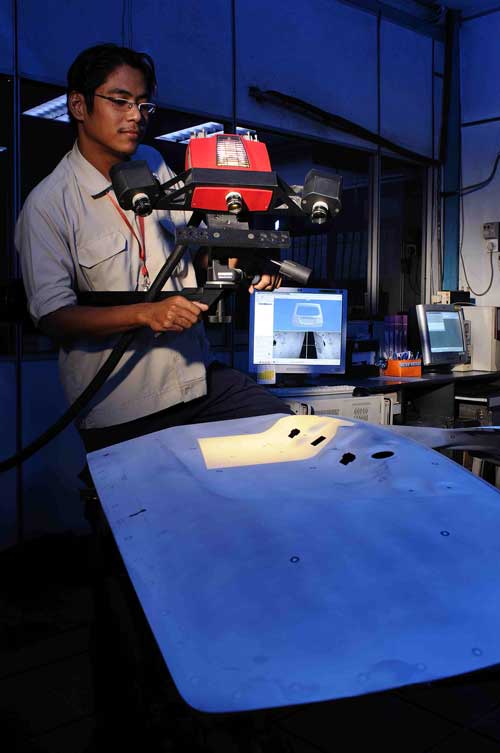
We have carried out surveys to identify gaps in both education and industry and tried to put opportunities in place to address these.” – Ryan Ball
Ryan, how does Youth Made Initiative narrow the “skills gap” between the classroom and the real world?
Several ways are possible. We have had training from industry professionals to both students and teachers, students on work placements, and are even introducing a D&T(Design & Tech) Teachers’ Internship – allowing teachers the opportunity to work for a time on real industrial design projects – which is really useful if they have been away from the industry for awhile. They can then pass on these skills to students they teach. We want to know what industries are using, what they need, and to try and adjust our curriculums accordingly where possible. We have carried out surveys to identify gaps in both education and industry and tried to put opportunities in place to address these.
How does the interaction between “school teachers” and “real world teachers” work?
As mentioned, there are numerous models. Sometimes it may be visits to workplaces, guest-speakers, or even someone at the end of a phone/email to offer support and advice. We are building up some nice communities in the countries the initiative is introduced into. This also works the other way around. For example, teachers have led training to industry professionals in C.A.D. and 3D printing. We want it to be a 2-way initiative where possible. It relies on forward-thinking adaptable teachers, proactive students, and generous companies in order for it to work to its full potential.
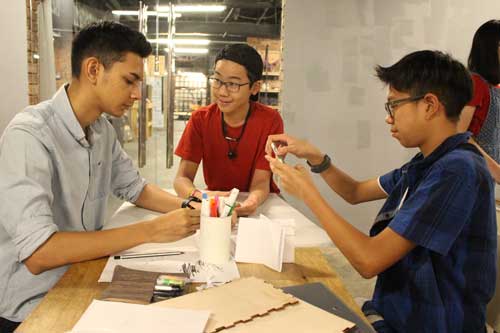
“We want it to be a 2-way initiative where possible. It relies on forward-thinking adaptable teachers, proactive students, and generous companies to work to its full potential.” – Ryan Ball
How do parents participate in Youth Made Initiative? Please share examples.
Parents can sign up to the newsletters on the individual country websites. Here, we post regional events and opportunities they can take their child to if they wish. They then receive a simple email notifying them of what has been posted and can decide to attend or not. Many events are free but the problem is often hearing about them. There are lots of design workshops, STEM events, and fun activities they and their children can be involved in. We also look forward to welcoming them at annual awards ceremonies to celebrate the D&T successes in the participating schools. These awards are sponsored by local industries and recognize excellence and dedication in a range of areas such as sustainability, user experience, and much more
How much participation do students have in the program? Please give specific examples.
In addition to what I’ve already mentioned, the program grants them with access to industry professionals. Many students work with designers on live design briefs, and we have had competitions and workshops as well as internships. We are also lucky to have our first scholarship in engineering for the Malaysian initiative with Heriot-Watt University. Students have access to all the companies that are partnered. If they are doing an electronics project, for example, and need some specific help with something complex or simply sourcing components locally, then they can get in touch and we will connect them.
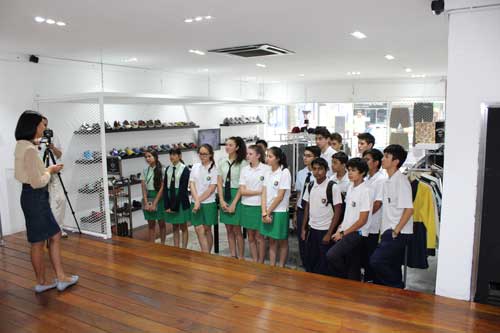
“The biggest challenges have been meeting with companies face to face which relies on teachers in other countries to meet with them to further explain how they can help and work together.” – Ryan Ball
How would you quantify your achievements to date with pupils aged 14 to 18 years? What are the biggest challenges you’ve faced?
The sheer number of schools and industry we have managed to connect! We have had students engaged in internships, competitions, design briefs, workshops, and much more. Students have used certificates and experience to help their way onto university courses to study in the field. The buzz around D&T is growing and, with word of mouth, the initiative is growing each month. Now in Malaysia, U.A.E., Singapore, and Hong Kong, its reach is fantastic. The biggest challenges have been meeting with companies face to face, which relies on teachers in other countries to meet with them to further explain how they can help and work together. Luckily, we have these forward-thinking, hard-working teachers around.
How are you planning to build/develop Youth Made Initiative in the next 10 years? What are your key goals?
To expand on the opportunities. I’d love more scholarships for universities but also apprenticeships too as there isn’t one route for all. I hope to expand it into more countries and show teachers and industries that small changes can have a massive impact. If D&T continues to grow and be selected as an option by students, I will be very happy!

C.M. Rubin and Ryan Ball

