This website stores cookies on your computer. These cookies are used to improve your website experience and provide more personalized services to you, both on this website and through other media.
Accept
EdTechReviewEdTechReview
  • News
  • Trends
  • Insight
  • eLearning
  • Research
  • Dictionary
  • EdTech Voices
  • More
    • Data & Statistics
    • Reviews
    • AWS for Education
    • Events

    Resources

    • Infographics
    • Reports & Case Studies
    • Videos
    • Books
    • Webinar

    Needs

    • 1:1 Learning
    • 21st Century Education
    • 21st Century Leadership
    • 21st Century Learning
    • 21st Century Teaching
    • 3D Printing
    • More Tags

    For

    • Students
    • Teachers/Educators
    • Administrators
    • Entrepreneurs/Startups
    • Govt. Officials/Policymakers
    • Parents
Explore
Search
Contribute
  • Submit A Post
  • EdTech Trainers and Consultants
  • Your Campus EdTech
  • Your EdTech Product
  • Your Feedback
  • Your Love for Us
  • EdTech Product Reviews
ETR Resources
  • About
  • Mission/Vision
  • Team
  • Services
  • Testimonials
  • Authors
  • Sponsor
  • Partner
  • Advertise
  • Our Clients
  • Media Kit
  • Press Release
  • FAQ’S
Reading: Synchronous vs Asynchronous Learning in the Online World
Aa
EdTechReviewEdTechReview
Aa
Search
  • News
  • Trends
  • Insight
  • eLearning
  • Reviews
  • Dictionary
  • EdTech Voices
  • Data & Statistics
  • Research
  • AWS for Education
  • Events
  • EdTech Voices
  • Tags
  • About
  • FAQ’S
  • Our Clients
  • Partner
Follow US
Home > eLearning > Synchronous vs Asynchronous Learning in the Online World
eLearning

Synchronous vs Asynchronous Learning in the Online World

Priyanka Gupta
Priyanka Gupta Published May 7, 2017
Share
7 Min Read
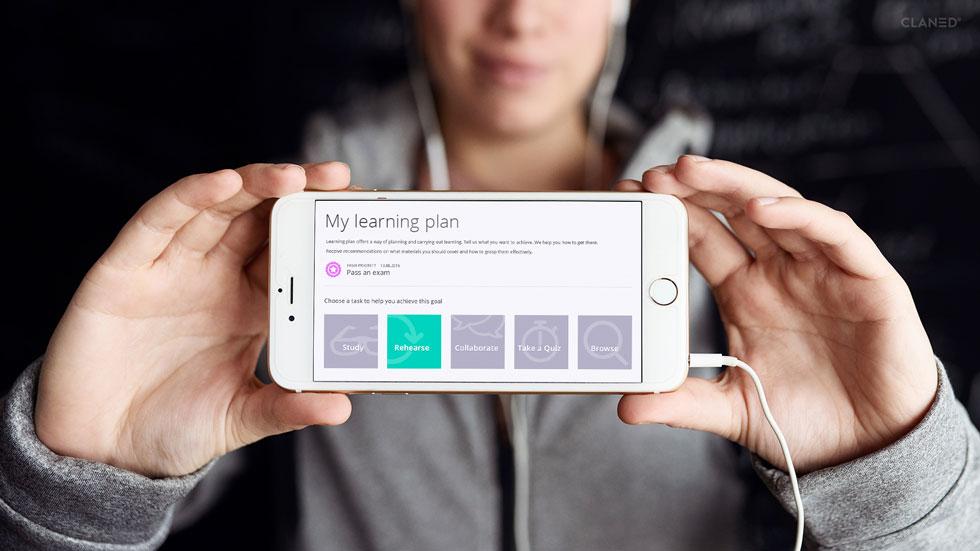
Finland EdTech Startup Claned Shares Its Plan to Make a Mark in the Digital Education Market
Finland EdTech Startup 'Claned' Shares Its Plan to Make a Mark in the Digital Education Market
SHARE

Benefits of Asynchronous eLearning

– Learners can study at any time and any pace, according to their own needs

Contents
Benefits of Asynchronous eLearningLimitations of Synchronous eLearningLimitations of Asynchronous eLearningTools for Synchronous eLearning “Same Time Different Place”Tools for Asynchronous eLearning “Different Time Different Place”Other Resources That You Must Check:
AdvertisementWhy this Ad?

This type of learning gives great ease and mobility to the learner as they can learn according to their schedule.

– Students have the ability to go back to pieces they need to brush up on

Because the content is shared online, students always have the backup. So if they ever wish to go back and revise they can do it. 

– There is the opportunity to review outside resources to aid instruction

As students learn on their own time and pace, they can always use other resources and study as they wish to.

Limitations of Synchronous eLearning

– Both the student and the instructor have to adhere to time schedules

Both, the instructor and the student have to stick to the time schedules as they come together online and learn. This might be an issue for any of them and students might even have to skip the classes because of the same.   

– Much of the training depends on the quality of the instructor

In synchronous learning, the instructor is the leading agent so the learning is directly proportional to the quality of the instructor.

– Students may not receive individual attention if other students are also in need

With group classes, students get limited time and the attention of the instructor is divided aming all the students so therefore there is a possibility that students may not receive individual attention if other students are also in need. 

– The learning pace is set by the instructor, not the students

Another drawback of synchronous learning is the pace. Students hardly get to t5ake their time as the instructor has to cover the subject/topic in certain number of sessions and hence students do not get to learn on their own pace.

Limitations of Asynchronous eLearning

– Limited access to an instructor and/or getting answers in real time

The nature of asynchronous learning gives students very limited time for interaction with the instructor. Also it is not possible for students to get answers in real time from the instructor so that can lead to the delay in learning on the end of students.  

– Some students may struggle without constant guidance and interaction

There are students who need constant supervision or maybe guidance to proceed further. For such students this model of teaching would be very difficult to cope with. 

– Not all instruction is best suited for self-paced learning

Due to the variety of strategies being used by the instructor under this method, there might be a possibility here student may not get comfortable with any of the strategy being used. Also, not all instructions are suited for self-paced learning hence this is one big limitation for the learner.

Tips to make Your Pick:

While synchronous and asynchronous learning each have their advantages and drawbacks, the best approach for a given design project is based on multiple factors. Here are three:

– The students and their learning needs

– The type of content

– The time availability of your learners

Tools for Synchronous eLearning “Same Time Different Place”

This model of teaching requires the instructor and students to come online together for all the teaching and learning needs. There are a lot of platforms like Blackboard that are helping students and instructors to make that happen. Other than that what I can think of is Skype, Google Hangouts, Face time and Google Docs. All these tools enable the instructors and students to come online together for their teaching-learning sessions. Google Docs is a no-cost suite of tools available to everyone over the age of 13 who registers for a Google account. The primary components of Google Docs include a word processor, spreadsheet and presentation tool that all allow multiple users to collaboratively work on documents in real-time. Skype is primarily a voice-over-IP (VOIP) program that requires the installation of a software client on your local computer. However, your list of contacts lives on the remote Skype server, so no matter what computer you log-in to, your contacts are available. Computer-to-computer calling is free and up to 5 people can conference call in a voice session. Similar to Skype, Hangouts features the video calling and FaceTime does the same for those with apple devices.

Tools for Asynchronous eLearning “Different Time Different Place”

Popplet: Users can organize and make connections and comments on ideas in a collaborative concept webs or virtual sticky notes.

Padlet: Users can organize and make connections and comments on ideas in a collaborative concept webs.

MediaWiki: Free open-source that allows for multiple authors.

Other than these three tools that are focused on Asynchronous learning, tools like Edmodo and Moodle are also there that cater to the similar needs. 

Other Resources That You Must Check:

– Online Learning Tools: Asynchronous Communication Tools

– Tools for Synchronous and Asynchronous Classroom Discussion

– 6 Online Collaboration Tools and Strategies For Boosting Learning

– Guide on Synchronous Course Delivery

– A Study of Synchronous and Asynchronous e-learning methods discovered that each supports different purposes by Stefan Hrastinski

Share your experiences, journeys and thoughts on these two methods with us in the comment section below. 

Previous Page12
TAGGED: Asynchronous Learning, E-Learning, EdTech Dictionary, Online Education, Synchronous Learning
Share This Article
Facebook Twitter Whatsapp Whatsapp LinkedIn Reddit Telegram Email Copy Link
Priyanka Gupta
By Priyanka Gupta
Follow:
Priyanka is an experienced edtech blogger with a passion for improving education through technology. She writes thought-provoking and informative articles on the latest trends and developments in the edtech space. Through her engaging writing style and insightful analysis, readers gain a deeper understanding of how technology is transforming the way we learn and teach. From AI-powered learning platforms to gamification and conventional teaching strategies in the 21st century, Priyanka covers a wide range of topics that are relevant to educators, students, and anyone interested in the future of education.
Previous Article Student Evaluations of Teaching  -  A Helpful Tool Or A Waste of Time Part 1 Student Evaluations of Teaching  –  A Helpful Tool Or A Waste of Time? Part 1
Next Article Co-Creating a School Vision Steps To Follow Co-Creating a School Vision: Steps To Follow
AdvertisementWhy this Ad?

Latest EdTech News To Your Inbox

Stay Connected

AdvertisementWhy this Ad?

Latest EdTech News To Your Inbox

Stay Connected

AdvertisementWhy this Ad?

You Might Also Like

10 Best Online Education Masters Programs to Advance Your Teaching Career
eLearning

10 Best Online Education Master’s Programs to Advance Your Teaching Career

Apr 16, 2026
Top 10 Spoken English Classes Online in India
eLearning

Top 10 Spoken English Classes Online in India (Complete Guide)

Feb 4, 2026
Dive Into Digital The Top 5 E-Learning Platforms You Cant Miss
Trends

Dive Into Digital: The Top 5 E-Learning Platforms You Can’t Miss

Dec 30, 2025
EGF An Open File Format for Educational Games
News

EGF: An Open File Format for Educational Games

Nov 26, 2025
DeeVid AI Video Generator Turning Everyday Lessons into Engaging Micro-Videos
Reviews

DeeVid AI Video Generator: Turning Everyday Lessons into Engaging Micro-Videos

Nov 24, 2025
Agentic AI in Education Building Self-Learning E-Learning Systems that Adapt in Real Time
eLearning

Agentic AI in Education: Building Self-Learning E-Learning Systems that Adapt in Real Time

Nov 21, 2025
The ROI of Great Learning Design in EdTech Products
eLearning

The ROI of Great Learning Design in EdTech Products

Nov 4, 2025
Using Graphic Design to Enhance Online Learning and Course Development
eLearning

Using Graphic Design to Enhance Online Learning and Course Development

Apr 18, 2025
Show More
EdTechReviewEdTechReview

H433, 2nd Floor, Vikaspuri, New Delhi, India, 110018
Phone: 011 41321030

Follow US

Copyright © EdTechReview. All Rights Reserved.

  • Home
  • Advertise
  • Event Associations
  • Press Release
  • About
  • Services
  • Contribute
  • News
  • Trend & Insight
  • Data & Statistics
  • eLearning
  • Reviews
  • Research
  • EdTech Voices
  • Dictionary
  • Tags
  • Resources
  • Events
  • Courses
  • EdTech Product for Review
  • Sponsored/Paid Post Service
  • Our Clients
  • FAQ’S
  • Contact Us
  • Important Links
  • Sitemap
  • Terms of Use
  • Privacy Policy
newsletter
Join 100K+ subscribers!

Subscribe to our weekly newsletter that brings the latest EdTech news, trends, insights, reports, interviews, etc. for educators, school leaders, entrepreneurs, investors, & others.

loader
Zero spam, Unsubscribe at any time.
Go to mobile version
Welcome Back!

Sign in to your account

Lost your password?