Artificial intelligence is reshaping nearly every industry, but education remains one of the sectors with the greatest need for thoughtful, learner-centered innovation. While many EdTech tools focus on content delivery or automation, the deeper issue educators continue to highlight is the gap between teaching and actual understanding.
FasTutorAI, an emerging intelligent learning platform, aims to reduce that gap. Designed around adaptive support, step-by-step explanations, and interactive practice, the platform empowers students across STEM, data literacy, coding, and exam preparation. Its model prioritizes comprehension, confidence, and equitable access rather than rote completion.
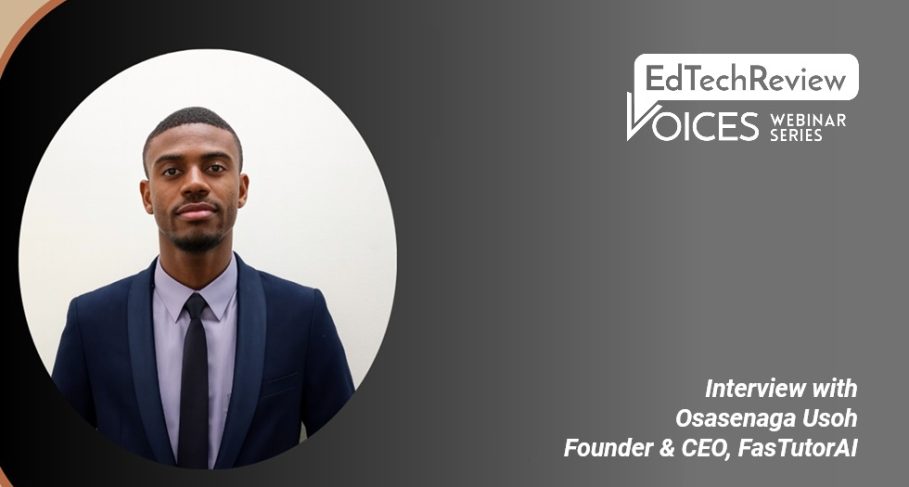
We spoke with Osasenaga Usoh, founder of FasTutorAI, about the origin of the platform, its growing reach, and how AI can strengthen—rather than replace—the role of educators.
Q1. What inspired the creation of FasTutorAI?
Osasenaga Usoh:
The earliest idea came from observing a pattern that repeated across different learning environments. Students were not failing because they lacked ability; they were struggling because personalized support was limited. In many classrooms, especially where class sizes are large, students hesitate to ask questions or seek clarification. They turn to search engines or fragmented online resources instead of guided explanations.
I wanted to build a system that behaves more like a patient tutor: meeting students at their level, breaking down concepts step by step, and allowing them to iterate without fear. What started as a small experiment evolved into a comprehensive learning platform serving students and educators in different parts of the world.
Q2. How does FasTutorAI support learning differently from traditional EdTech platforms?
Usoh:
Many platforms are designed primarily to deliver information. FasTutorAI is built to support the thinking process behind it. Instead of providing immediate answers, the AI tutor helps learners work through the logic of a problem, explore variations, and understand why a solution works.
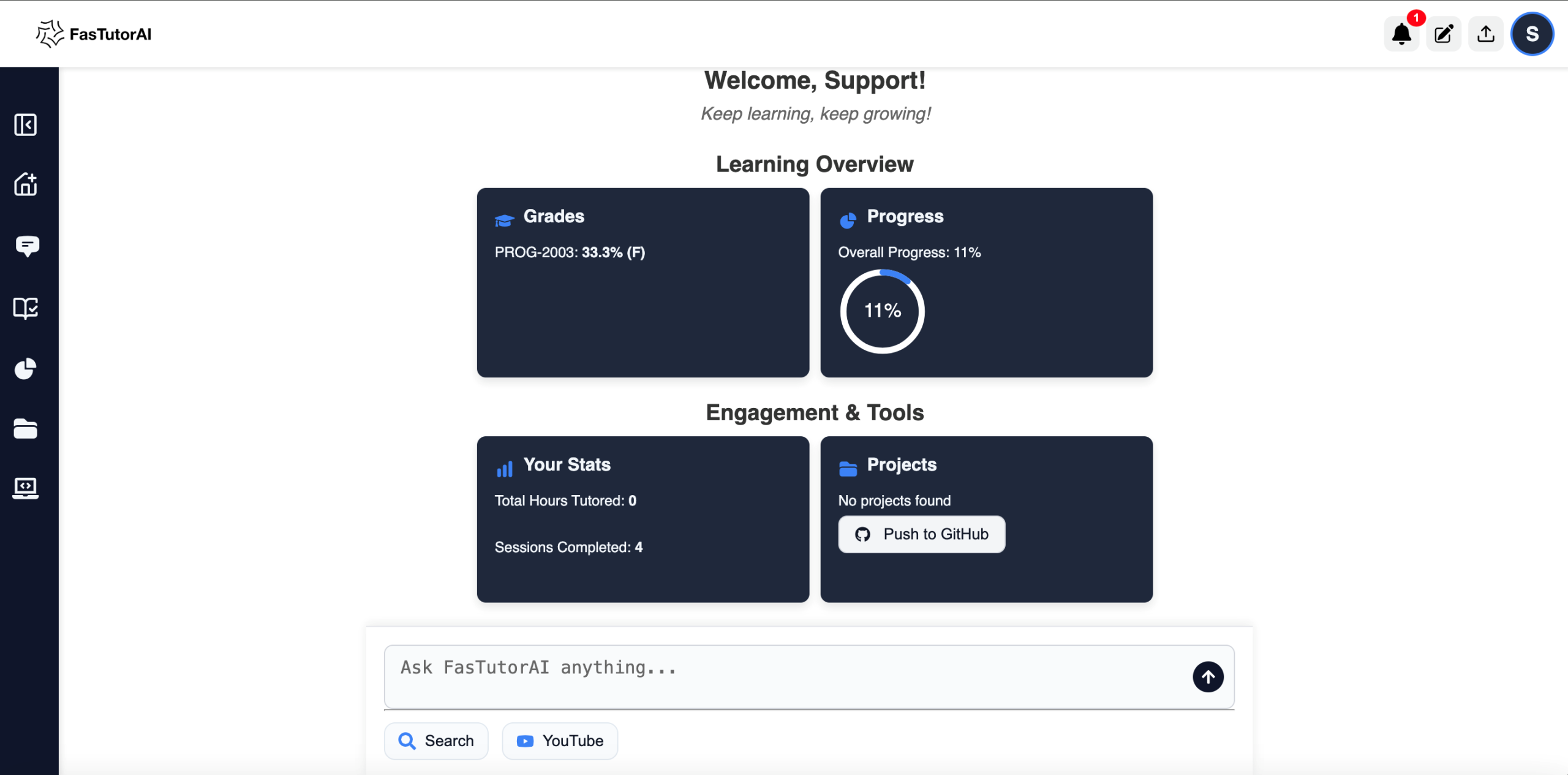
The platform integrates interactive coding notebooks, auto-graded quizzes with explanations, career-oriented learning tracks, analytics for identifying learning gaps, and classroom tools that help teachers guide instruction. The focus is comprehension rather than passive consumption.
Q3. Who is currently using FasTutorAI, and what results have you seen?
Usoh:
We serve a broad range of learners. Including high-school students preparing for WAEC, NECO, JAMB, SAT, and AP; university students studying computing and STEM; and professionals reskilling into AI and data science. Educators have also integrated FasTutorAI for practice assignments and after-hours help.
The feedback has been consistent: students grasp difficult concepts more quickly, teachers save time, and learners stay engaged because the platform responds immediately to their needs. Many students mention that FasTutorAI is the first platform that makes them feel academically supported.
Q4. Some users say AI explanations can still feel too technical or unfamiliar at times. How are you addressing this?
Usoh:
That is a fair concern, and it is something we take seriously. Not every learner processes information the same way, so we’re continually refining how explanations are generated. Our approach has been to simplify language where appropriate, introduce more examples for difficult topics, and build adaptive pathways that respond when a student is struggling. We want the AI to feel supportive, not overwhelming, and we make ongoing improvements based directly on user feedback.
Q5. How do educators fit into the FasTutorAI ecosystem?
Usoh:
Educators are central to how we design the platform. FasTutorAI extends instruction rather than replacing it. Teachers assign practice, review real-time insights, and guide discussions based on patterns they observe.
Some use the platform as structured after-hours support to reduce the learning gaps that appear between lessons. Our focus has been on giving teachers meaningful insights without overloading them with analytics or dashboards.
Q6. FasTutorAI spans multiple countries. How intentional was the platform’s global design?
Usoh:
Global accessibility has always been foundational. Although curriculums differ, students face many of the same challenges when it comes to understanding concepts or preparing for exams. FasTutorAI is designed to be adaptable so that learning support is not limited by region or school resources.
Q7. AI in education often raises ethical and practical concerns. How do you approach these responsibilities?
Usoh:
We prioritize transparency, privacy, and academic integrity. Students are shown clear steps for how concepts work, and we avoid features that would bypass the learning process. Users retain control over their learning data, and we ensure that AI support aligns with instructional goals rather than shortcuts.
Q8. What excites you most about the future of AI in education?
Usoh:
For the first time, personalized academic support can be offered at scale. This shifts opportunity for students who may not have access to traditional tutoring. Over time, AI will help learners build confidence, understand strengths, and pursue fields they previously felt unprepared for. The future of AI in education is less about automation and more about expanding access.
Q9. What’s next for FasTutorAI?
Usoh:
We are strengthening school and institutional partnerships and enhancing learning pathways in STEM, AI, and exam preparation. A major current initiative is training curriculum-aligned content for schools across different countries so students see coursework and explanations that match their classroom instruction.
We are also expanding real-world project opportunities and building enhanced tools for educator collaboration. Our long-term vision is to improve instructional quality while increasing global accessibility.
As AI becomes foundational to how students learn and how institutions operate, platforms like FasTutorAI offer a grounded example of responsible innovation. By combining personalized support, adaptable curriculum pathways, and thoughtful design, the platform demonstrates how technology can enhance—not diminish—the role of educators. Its growing adoption across learning environments suggests a future in which academic support is accessible, contextual, and built with student success in mind.